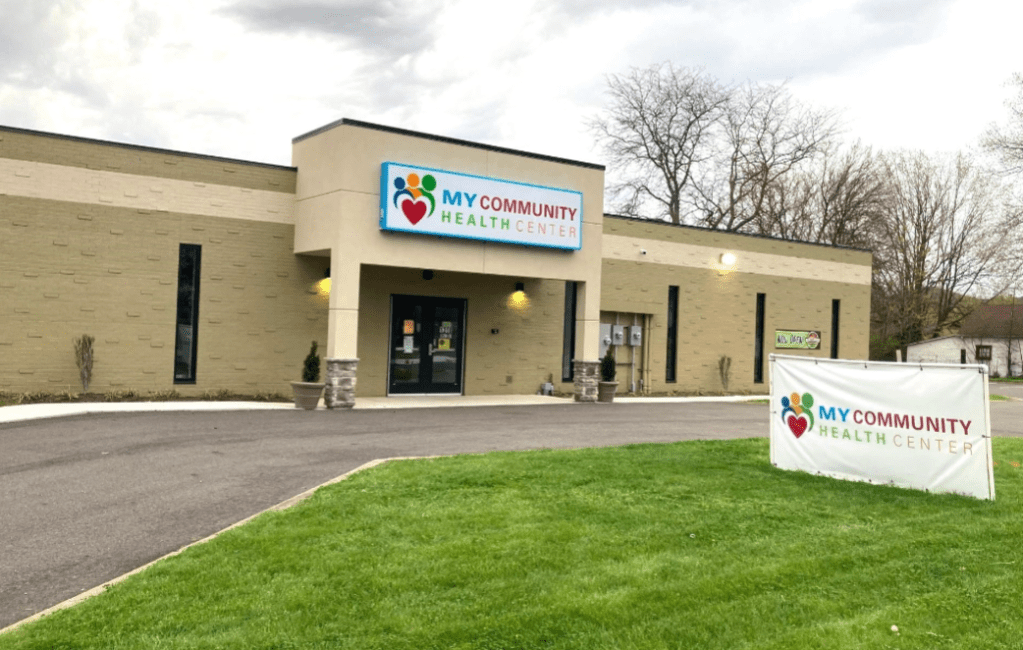
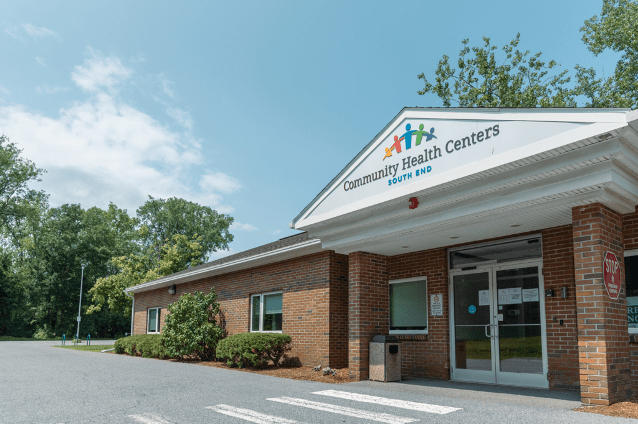
The community health center is an important part in maintaining the health of the community in Ward 1. It offers services to low-income individuals who may be in need of health care and mental health services. Working with individuals who may not have access to insurance at an affordable or low cost. The community health center works closely with other social service organizations to support those who may need extra support. The center makes sure to provide this information readily through pamphlets or direct recommendations for services. Although the health center provides extra services, it also serves Ralston as a whole, as individuals can come from other wards to receive healthcare. The health center works closely with the others in Wards 2 and 3. This proves to be beneficial for individuals who may move to a new ward but want to maintain health care services in the area.
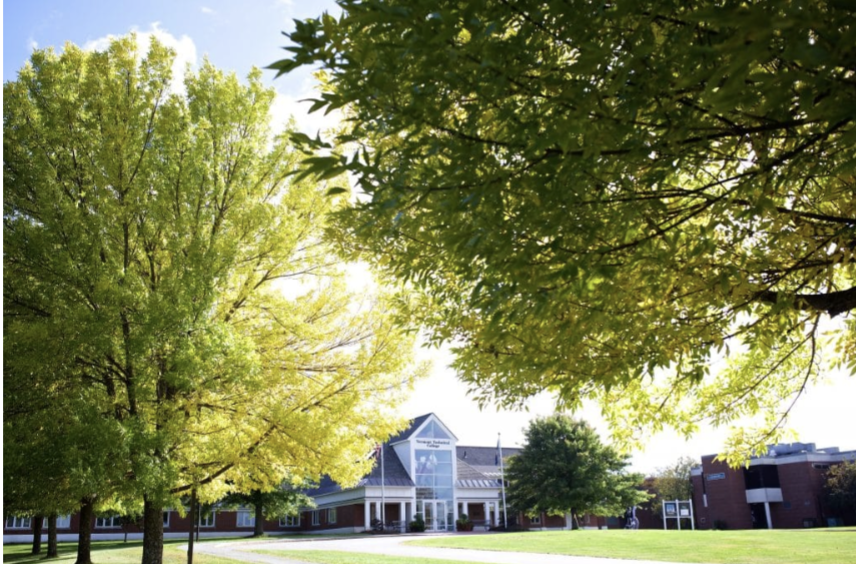
The opening for a new vocational school, Ralston Technical College, is being discussed amongst the community. While some want a trade school closer to the island rather than going out for their education, others see a lack of the need for one. Yet, with Ralston Technical College, or RTC, many different skills from welding to cosmetology can be taught and learned to many people alike. It can bring the people from Ralston and people outside the island together. It can also bring a sense of togetherness and build a culture specific for RTC students to gather and meet others with similar aspirations and interests. Others say that with the small number of Ralston students and others looking for trade schools within the area, the need for a vocational school within the area is pointless. Together, some community members are creating a petition to garner interest for the project and hopefully in the near future, we will teach the new generations helpful trades that will aid both Ralston but other communities in the future.
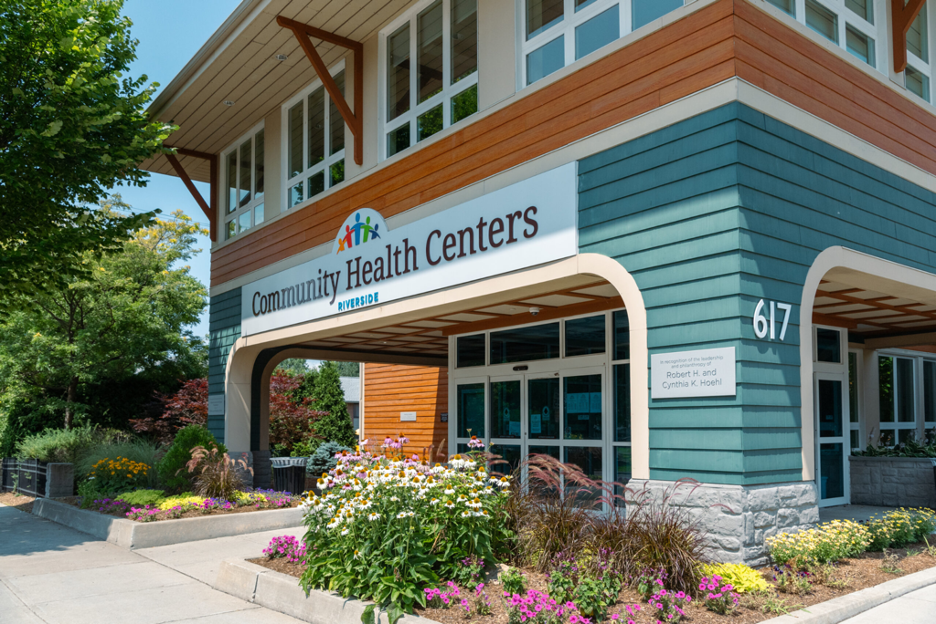
The Ralston Community Health Clinic, located in Ward 3, serves as a place where Ralstonians can receive non-emergency medical attention without needing to leave the island. Before it was built, Ralstonians needed to travel to Burlington for routine medical care, significantly increasing the cost of even basic procedures. With the Ralston Community Health Clinic, citizens can get their vaccinations, check-ups, and basic prescriptions without the hassle of leaving Ralston.
The center takes all of the insurance providers common in the state of Vermont. It also partners with the local high school to offer CPR, first aid, and emergency medicine classes for interested students.
Building this new center has also helped significantly increase the number of people moving to Ralston. Qualified medical professionals have flocked to our island now that there is a place hiring them, and new families feel much better about moving here now that we have a local medical center.
A health clinic on the island is saving Ralstonians and visitors time and money trying to travel to and from the University of Vermont Medical Center. The health center helps deal with smaller injuries such as a sprained ankle, or a cut on your arm that needs stitches. The health center, located in Ward 2, is semi-central to Ralston and easily accessible to the people of Ralston. It is also be away from the wetland so the construction to build the health clinic has not been too expensive. This is a good addition to a community where people live active lifestyles—golf, nature walks, and swimming being very popular. A minor injury is now not such a major expense.
The Ralston Food Bank is a nonprofit organization that provides food for those in need. Since the organization is nonprofit, this means it is fully reliant on donations and fundraising. But, due to the kind hearted atmosphere of the people of Ralston, there is predicted to be many donations given to help those in need. This food Bank will help anyone who is struggling economically and cannot afford groceries. Although there will be a limit on the amount of groceries because of wanting to maintain stock for everyone, the Ralston Food Bank’s goal is to meet the basic needs of the community of Ralston. If the Ralston Food Bank can not fit the needs of a community member that comes to them, they will guide them to the correct resource that they need. This organization is not just for the people, but it is also supported by the people. This will move the community towards eliminating food insecurity whilst providing other resources for those in need.
Ralston has many special attributes that help it stand out from the rest of land-ridden Vermont. It’s hard when major city Burlington has everything people need; not many come looking to Ralston for what’s missing. However, with this new proposal, many in Ralston will find people from all over Vermont flocking to what we can now call one of our crown jewels.
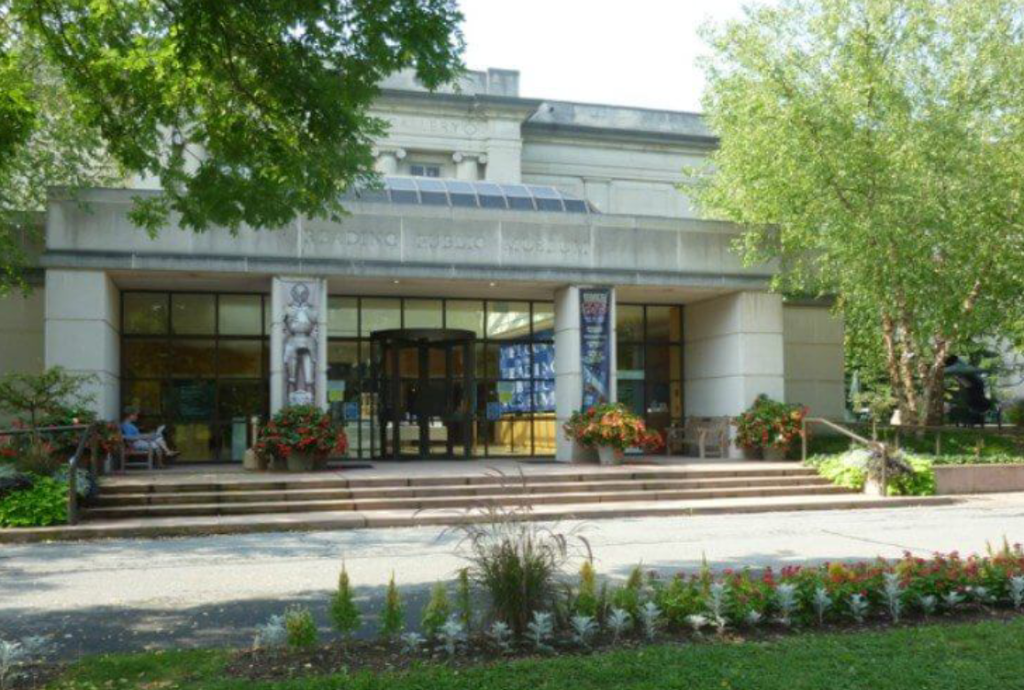
Ralston Public Museum was an idea born by a couple who have been long-time residents of Ralston. Nicola Duffy and her partner, Malcolm McCormick, who were both born and raised here in Ralston, found themselves digging in their backyard one summer day, looking to make their own garden. After breaking through a hard layer of clay, Malcolm found a bone. This bone belonged to Plesiosaur Tatenectes, an underwater dinosaur from the late Jurassic period. Malcolm, a historian, contacted some of his archeologist friends over at a local college, UVM. A team of archaeologists helped McCormick and Duffy dig up the rest of the fossil. Since Malcolm was friends with the archaeologist, they applied for a permit to keep the bones and use them to create a museum here in Ralston. With the help of his partner, Nicola, they came up with the layout, design, and story for the museum. This public museum would follow the history of Vermont all the way from the Paleozoic era, to the Mesozoic era (when the plesiosaur tatenectes were alive), to the Cenozoic era (now). The museum would walk the visitors through these eras, each exhibit leading into another. The Paleozoic area would take you through the coral reefs that once covered what is now Vermont. With fossils of trilobites, arthropods, stromatoporoids, and of course corals. It’s important to note that much of Vermont’s prehistoric history was underwater until the Cretaceous period, which occurred at the end of the Mesozoic era, that pulled what is now the Green Mountains from the sea. The Mesozoic era, however, will not start with the end, instead, it will start with the Triassic period and the Jurassic period which will contain the newly found fossil of the plesiosaur tatenectes. Going through how these creatures lived with the seascape covering the walls so it feels like you are there too. Then the Cretaceous period will walk you through extinction and the formation of some of Vermont’s landscape. Of course, the Mesozoic era has to end, but this will lead into the Cenozoic era. In this section of the museum, you will be walked through the formation of the physical landscape of what we now know and love to be Vermont. There will then be a large portion dedicated to the history of the Abenaki, the indigenous people of Vermont. In collaboration with the Nulhegan Band of the Coosuk Abenaki Nation, this large section will walk you through how they lived their lives while surrounded by their buildings, community setup, and tools. There will be a part of this section talking about and showing the First Abenaki War and the subsequent migration to what is now Canada, as many were forced out by the French. The section will end with how the Abenaki people are living now in Vermont. The next section will focus on Vermont’s history in the USA and how people live here now. The museum will then lead you to our gift shop, full of fun knick nacks, toys, art, and Vermont maple syrup, which is made here in Ralston!
Ralston Public Museum is planned to go in Ward 1, right next to Route 20 and the Community Garden. Not only will this bring many people from all over Vermont to Ralston, but this museum will also add so much to the community. This museum will add to the heart and soul attributes of our community as it will bring many people closer together and add so much to our schools’ curriculum as the museum is planning on allowing free tours for Ralston’s public schools only! This museum will also bring jobs into our community and revenue into Ward 1, which desperately needs more funding and community spaces. This museum will also be a great contact zone as many will be faced with the history of the Abenaki and what happened to them.
Our goal is to make sure this museum is the furthest thing from white-centered as we want everyone’s voice and stories to be heard. There will also be a bus stop right outside the museum to ensure everyone is able to visit. Admission is $7 for adults and $3 for kids.
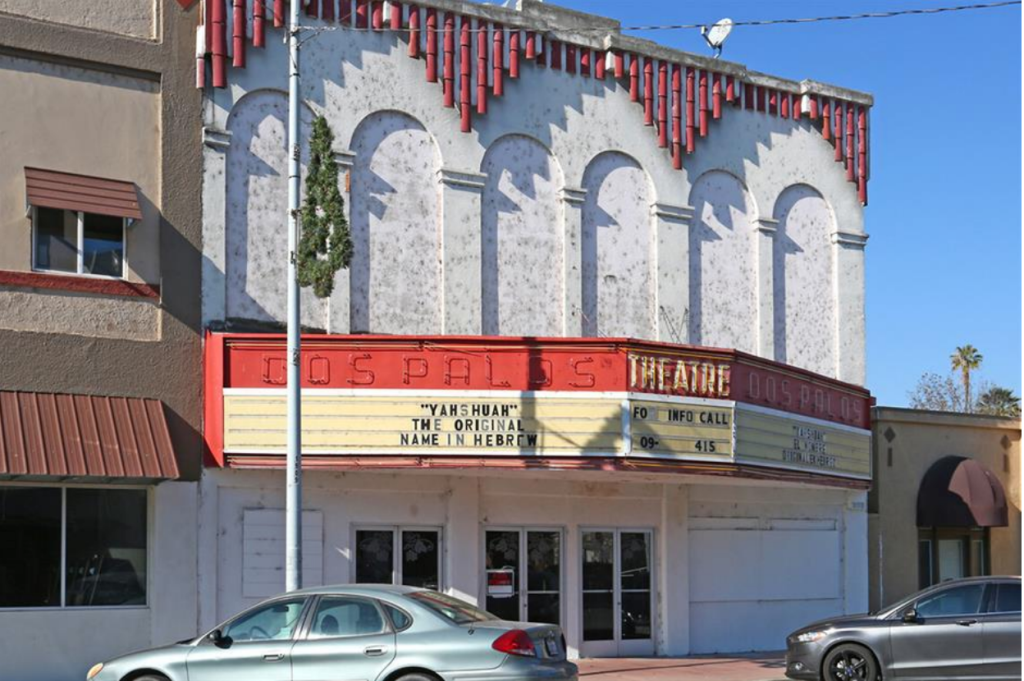
In our beautiful town of Ralston we have many beautiful buildings, but every town has an abandoned building or two. Sadly in a corner of Ward 1, there is one of these abandoned buildings. Everyone who has the pleasure of living in here has most certainly seen the sad theater, now dark and empty. As time goes on damage and infamy of the theater will only grow, this is where my proposition comes in. I want to take care of the eyesore on the skyline of our stunning town. Take it from a burden on Ward 1 and all of Ralston to a place where we can all collect. Hopefully, this will also bring more business and bustling to a struggling part of town.
What I am looking for is some funding for some of the more important renovations. I have other backers taking care of some of the business expenses but the renovation and clean-up is the highest expense and therefore requires the most support.
Without the support and with some luck, I might still be able to continue the renovation. This less expensive renovation would not be able to preserve the current architecture of the theater, which is a priority for me and many of my supporters. Though the theater is not going to change the heart and soul of the town I do believe that it can bring back a small pleasure to our lovely community.
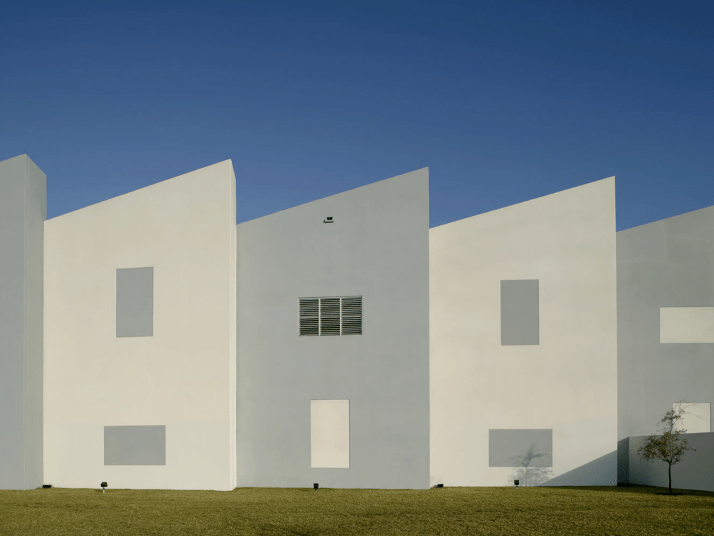
The Ralston Art Museum would be located Ward 2 nestled with most of the other popular attractions in that area. This would be a great addition to the area and would be a very influential contact zone. The museum would showcase local artists and artisans from Ralston. It would also have installations from all over the world, bringing the world to transition. This would intersect cultures and cause them to meet, and grapple with each other. Art is universal and has brought people together for ages. It showcases the world in a multitude of mediums. Ralston is strongly centered around its individuality and artisans, this Museum would showcase these values and give the citizens a center of the exhibition. The community could be showcased alongside world-renowned artists and bring publicity to local artist. Museums draw visitors year-round and with frequent exhibit rotations, the community would always have something new to enjoy. Anyone can come and view the installations which means that there is an intersection between all the people of Ralston. No one is excluded from art and community members have chances to be featured. The building itself has a more traditional shape to match the small-town feel of Ralston but with a minimal and contemporary feel. The architecture fades into the surroundings but stands out and clearly states “art lives here.” It may seem to stick out but the building itself is a piece of art and is there to be enjoyed and draw attention. Artisans are at the center of Ralston’s community and they should be showcased.
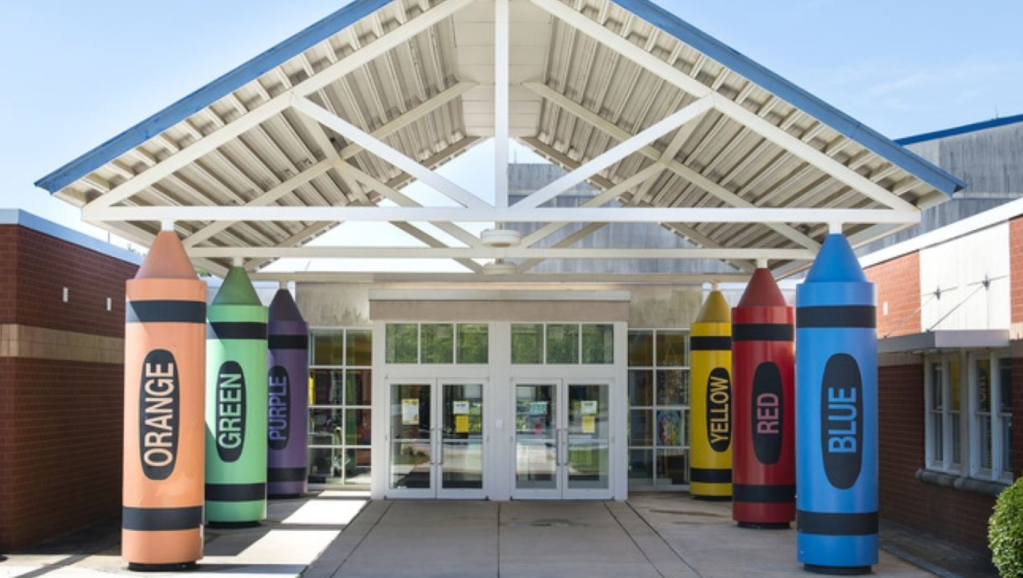
I have a proposition to all the wards, except ward 2. I understand that each ward has their own political views but this proposition affects the wards. My idea is to place elementary schools in each ward or most wards if there are not enough people. Yes, I understand that is going to cost a lot of money but I think this could bring the community together as a whole. My hometown did the same thing. We had 4 elementary schools and everyone was assigned to an elementary school depending on where you live. They were never distinguished and marked areas but the areas normally consisted of just the neighborhoods surrounding or around the schools. This made tiny communities within the community of the entire town and let us kids make friends with kids geographically close to us. All four elementary schools combined together when we all went to middle school and got to know everyone from the other schools too. Having those tiny communities helped a lot of people find their life-long friends as many people from my town are still close to those they went to elementary school with. Also, meeting more people in middle school lets us first discover who we are in elementary school and then looking for people who will benefit us as we are growing up and moving onto bigger and better things. I’m not sure if my idea will completely work because it all depends on how many children are located in Ralston but I recommend this system since it worked for my hometown and personally I found it beneficial to my social life.
Focusing on Ward 4, I think that this would be a good location to develop a non-profit summer reading and writing program. Since Ward 4 is a home to two schools in Ralston, I thought it would be a good idea to set up a summer reading and writing program that introduces people to new forms of literature and writing in the community. It will also provide the area with more things to do and participate in. The program will provide free sessions throughout the summer, reading books and writing their own work at their own paces, working with teacher and peer volunteers to help them achieve their goals. The program will be welcome to everyone in the community, offering children and adult sessions.
 Ralston, Vermont's "Green Island" City