Ralston has many special attributes that help it stand out from the rest of land-ridden Vermont. It’s hard when major city Burlington has everything people need; not many come looking to Ralston for what’s missing. However, with this new proposal, many in Ralston will find people from all over Vermont flocking to what we can now call one of our crown jewels.
Ralston Public Museum was an idea born by a couple who have been long-time residents of Ralston. Nicola Duffy and her partner, Malcolm McCormick, who were both born and raised here in Ralston, found themselves digging in their backyard one summer day, looking to make their own garden. After breaking through a hard layer of clay, Malcolm found a bone. This bone belonged to Plesiosaur Tatenectes, an underwater dinosaur from the late Jurassic period.
Malcolm, a historian, contacted some of his archeologist friends over at a local college, UVM. A team of archaeologists helped McCormick and Duffy dig up the rest of the fossil. Since Malcolm was friends with the archaeologist, they applied for a permit to keep the bones and use them to create a museum here in Ralston. With the help of his partner, Nicola, they came up with the layout, design, and story for the museum. This public museum would follow the history of Vermont all the way from the Paleozoic era, to the Mesozoic era (when the plesiosaur tatenectes were alive), to the Cenozoic era (now). The museum would walk the visitors through these eras, each exhibit leading into another. The Paleozoic area would take you through the coral reefs that once covered what is now Vermont. With fossils of trilobites, arthropods, stromatoporoids, and of course corals. It’s important to note that much of Vermont’s prehistoric history was underwater until the Cretaceous period, which occurred at the end of the Mesozoic era, that pulled what is now the Green Mountains from the sea. The Mesozoic era, however, will not start with the end, instead, it will start with the Triassic period and the Jurassic period which will contain the newly found fossil of the plesiosaur tatenectes. Going through how these creatures lived with the seascape covering the walls so it feels like you are there too. Then the Cretaceous period will walk you through extinction and the formation of some of Vermont’s landscape. Of course, the Mesozoic era has to end, but this will lead into the Cenozoic era. In this section of the museum, you will be walked through the formation of the physical landscape of what we now know and love to be Vermont. There will then be a large portion dedicated to the history of the Abenaki, the indigenous people of Vermont. In collaboration with the Nulhegan Band of the Coosuk Abenaki Nation, this large section will walk you through how they lived their lives while surrounded by their buildings, community setup, and tools. There will be a part of this section talking about and showing the First Abenaki War and the subsequent migration to what is now Canada, as many were forced out by the French. The section will end with how the Abenaki people are living now in Vermont. The next section will focus on Vermont’s history in the USA and how people live here now. The museum will then lead you to our gift shop, full of fun knick nacks, toys, art, and Vermont maple syrup, which is made here in Ralston!
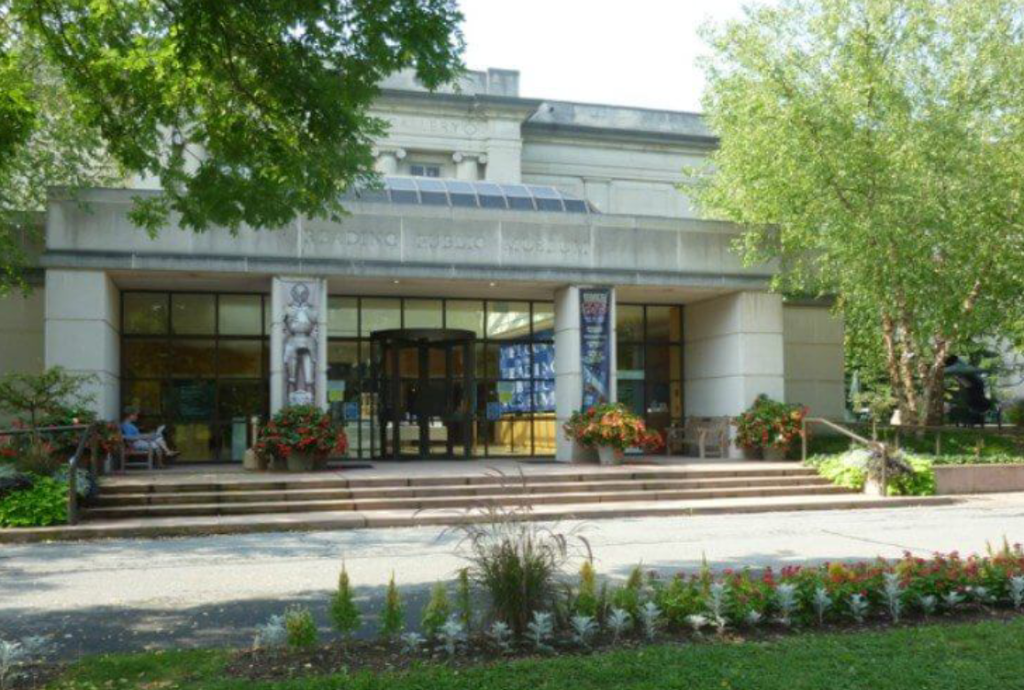
Ralston Public Museum is planned to go in Ward 1, right next to Route 20 and the Community Garden. Not only will this bring many people from all over Vermont to Ralston, but this museum will also add so much to the community. This museum will add to the heart and soul attributes of our community as it will bring many people closer together and add so much to our schools’ curriculum as the museum is planning on allowing free tours for Ralston’s public schools only! This museum will also bring jobs into our community and revenue into Ward 1, which desperately needs more funding and community spaces. This museum will also be a great contact zone as many will be faced with the history of the Abenaki and what happened to them.
Our goal is to make sure this museum is the furthest thing from white-centered as we want everyone’s voice and stories to be heard. There will also be a bus stop right outside the museum to ensure everyone is able to visit. Admission is $7 for adults and $3 for kids.
 Ralston, Vermont's "Green Island" City