Proposal for a Ralston City Amphitheater

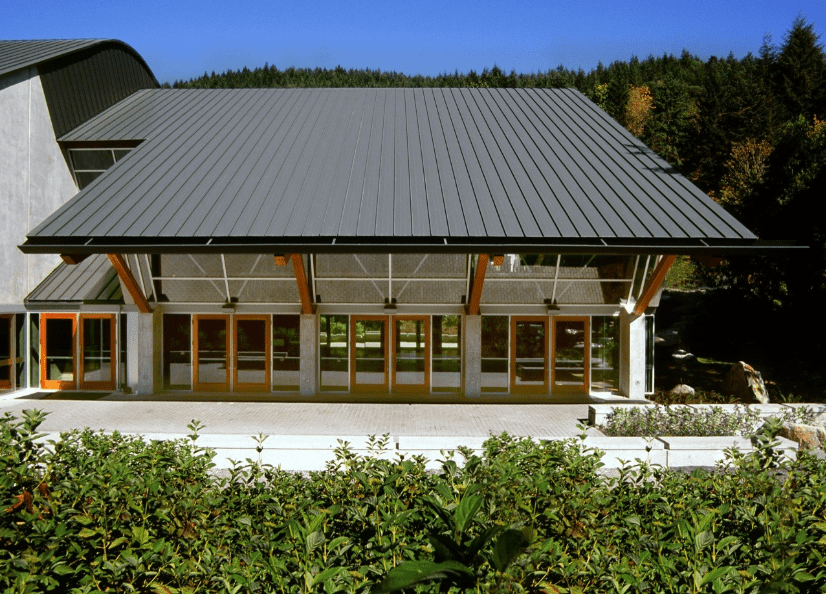
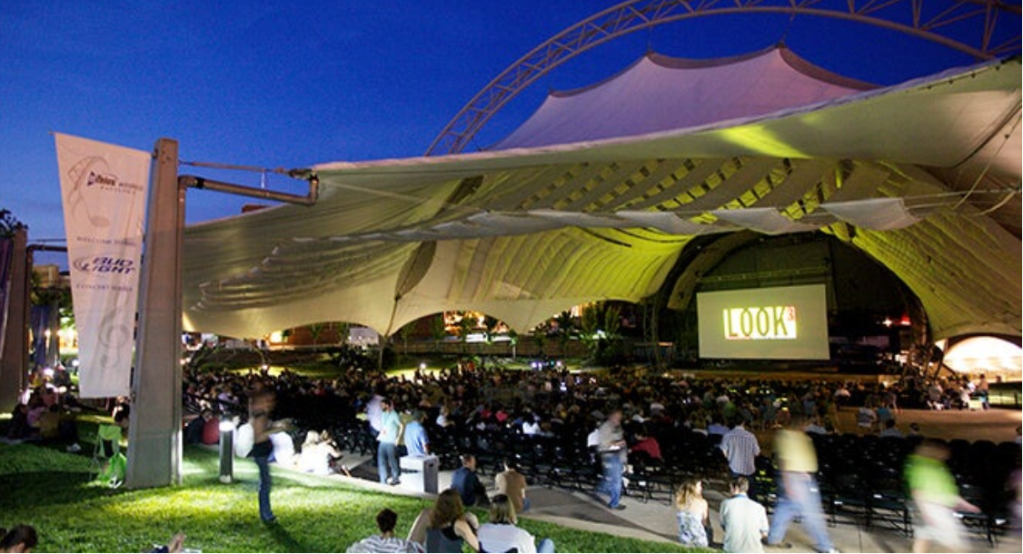
The Pavillion, Charlottesville, Virginia

Every community needs contact zones, and it’s often a nice feeling when those zones are lively places where people can come together for entertainment, discussion, relaxation, and leisure.

Our beautiful city of Ralston already features some beautiful parks and lively downtown venues, but I believe the one-of-a-kind location deserves something that does it an even greater honor. A public, outdoor amphitheater would be a lovely addition to our community with a lot of value.

Ralston is already known as a popular sight for Vermont filmmakers, but an outdoor projection screen and film festival could easily compete with the venues of Burlington. Live music could bring people to Ralston for dining and entertainment on a regular basis. The outdoor feel would even attract more folksy, authentic Vermont performers than the indie-centric venues of Burlington. Public forms could also be held here, and would likely draw more attention due to the visible nature of an outdoor discussion. This could in turn contribute to residents of Ralston having their voices heard on a more frequent basis. For economic benefit, a closed off and ticketed area with provided seating could be installed. These seats would have the best views and be relatively comfortable, encouraging people to invest in tickets. However, sticking with the accessible nature of Ralston, standing room should be available behind this seating area so that people can still participate in the entertainment.

The scale of this amphitheater should be decided by a board of community members. A larger venue will attract more use, but create more noise in town that locals may have mixed feelings about. A small venue, however, would still be advantageous to the community. Because this installation affects the larger community, the community should have a say in its design.

Despite this potential interference, such venues have been very successful in other urban centers. The Ting Pavillion in Charlottesville, Virginia, is a great example of a large and popular amphitheater that gets a lot of use without taking away from the city’s charm. A similar design in Ralston could prove effective!

An amphitheater would suit Ralston well in Ward 2, near City Hall Park, or Ward 1, west of the golf coarse. Both of these locations are noticeable from the downtown area, and easy to access for visitors from Burlington.
Urban Legend: Don’t Go Into the Woods

This contribution, rather than a physical place or organization, is rather an urban legend told by the people of Ralston that connects to their history. It is unknown when this story emerged exactly however it is theorized to date back at least a few decades.

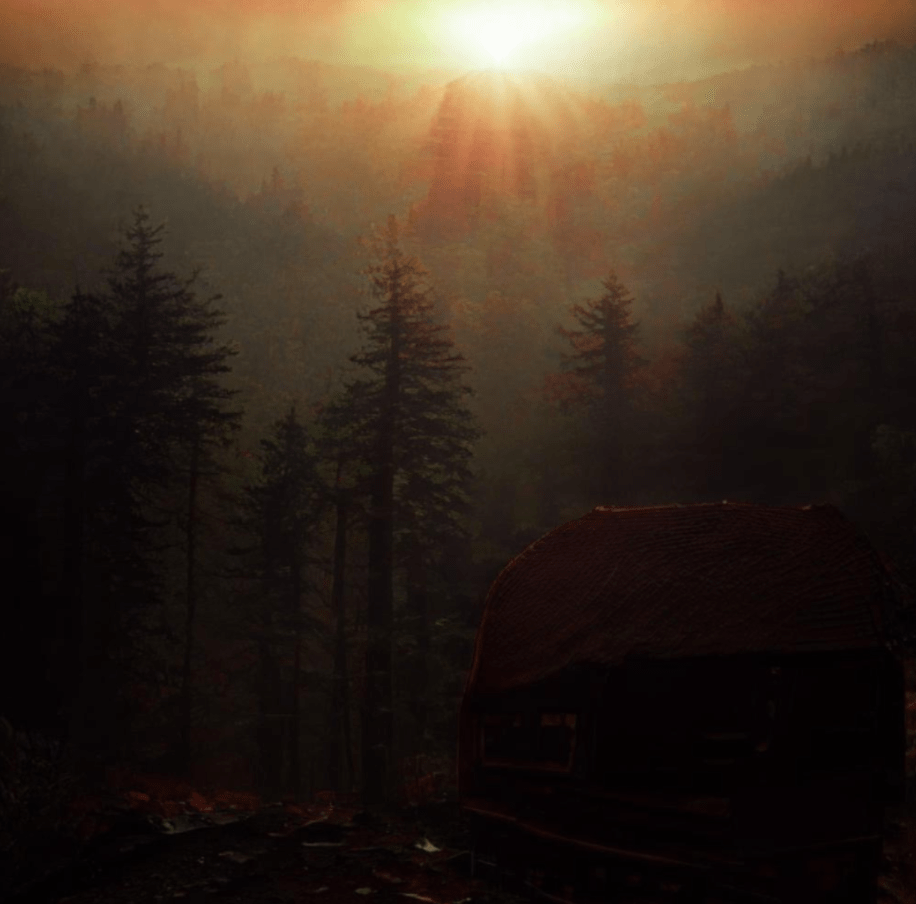
PHOTO SOURCE: http://gaugan.org/gaugan2/

The story essentially goes that if you wander too far into the woods between the main city area, and the few buildings along the eastern side of the island such as North point lighthouse, you will find a small rundown cabin. The story tells that this cabin was made as an isolated sickhouse, where the sick of the various early communities during the 1700’s went away from society to avoid spreading the disease. Most of these people would never see the outside world again and would die alone in the woods. Rumors say that the ghosts of those who died, including two of Angus Ralston’s children died there, and that they would infect and torment any who disturbed them.

This story is almost certainly false, as historical evidence suggests that no such place exists and the Ralston’s children died elsewhere. However, the story still persists. It was first documented in the mid 90’s as a bedtime story, though it is believed to be slightly older. It was told to children warning them not to go out into the woods alone outside the city and stay in the safety of Ralston. Earlier tellings of the tale were more innocent, however as more and more people heard it it began to adapt and become more disturbing. Young children, eager for a thrill and something different than the family friendly nature of Ralston would head out into the woods in search of this cabin. However when the concept really took off was in the early 2010 with the rise of online creepy pastas (short horror stories that grow and adapt online). Many who grew up with this story as kids were now online and communicating the legend to those outside the on the early internet. With the Online Disinhibition Effect people were a lot freer to speak their mind of the early internet, so people said things far weirder than in real life, with the legend warping even further. Residents would post supposed encounters they had with the ghosts of Ralston’s children, most of which were just blurry videos with weird lighting and no ghosts.

However when the story became a true phenomenon and blew up exponentially was after an abandoned shed was in fact found in the woods. This was later confirmed to have nothing to do with the legend at all and was just the homestead of an old farmer from the 1800’s who died with no children leaving little record behind. Regardless of that fact many flocked to the cabin, and early youtube and internet videos were filmed there. Even a few online creators obsessed with the trend of internet horror would travel from nearby communities to take a look at the supposedly haunted house. The city council was always unamused by this, however once people began to vandalize the house, spray painting demonic symbols on the walls, and putting fake blood on the abandoned sheets, the town strictly forbade anyone from going there and vandalizing it. This was barely enforced however and many continued. Despite the initial hype eventually people got tired and the internet craze subsided, and the house was left largely forgotten as people moved on.

This was until early 2020 when the Covid Pandemic hit. Many residents who were kids at the time of the craze surrounding the cursed sick house, remember it now that they were suffering under a plague of their own. Memes began to circulate online about how the ghosts of the Ralston pandemic were spreading the plague as revenge for the people who intruded on their home and land. These were not taken particularly seriously however it was still a brief rumor in the town brought about by the early pandemic.

This is where things remain to this day. The house still remains, now slightly graffitied in the woods largely forgotten. The tale is still told from time to time, a legend which had survived three generations, enchanting kids who would later reminisce and get another wave of kids entranced in the mystery. The idea provides something alluring and dangerous to the children of Ralston, something that is so different from the coddled kid friendly nature of the town that it draws them in. Though it is easy as an adult to dismiss the story as fake, through the eyes of a child it may seem all too real, and enchant them to go into those empty woods where they were always warned not to go.

Second Bridge to Ralston

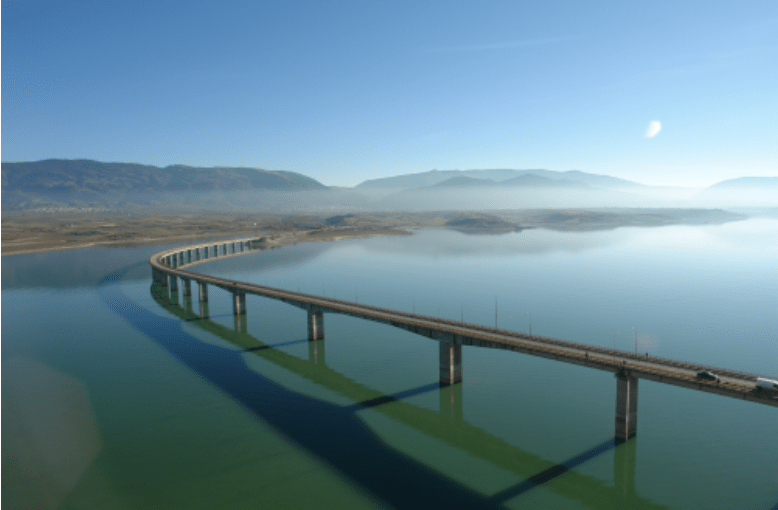
I believe that the inclusion of a second bridge- one that connects Ralston to the other side of Lake Champlain, would be greatly beneficial to the community as a whole. I personally believe that in order for Ralston to become a successful community in the future, they need to reach a wider range of people and allow for more to leave and/or join the community in a variety of activities the city can open to all of Vermont. One of the main issues I saw when planning to address this problem was the fact that only being able to leave and enter the island through one bridge severely limits interaction with the community and the outside world. This is why a proposal for a new bridge would greatly benefit the town off Ralston.

In addition, Ralston’s second bridge connecting to another side of the land surrounding Lake Champlain will allow for ease of access to Ralston for different communities. The original bridge’s location, while giving entrance to one side of Champlain, completely limits access to the opposite side of the lake. And while a Lake’s island normally has ports to be able to access, not all people have the ability to access islands via boats, in addition to being a rather large island with a rather large community as well. If cars are the main means of transportation on the island, then it only makes sense for a way for cars to get on and off of the island. Overall, a second bridge would be a welcome addition to Ralston, and will be greatly beneficial for the development of the community for years to come.

Climbing Gym — Ward 2

I want to build a climbing gym in the city of Ralson zone 2. The reason why I think this would be beneficial is that rock climbing is a great way to get exercise. The second reason is that a Rock climbing gym would also be a great contact community zone. In addition to this, we can set up groups to educate people about proper trail maintenance and educate people about why nature should be protected. The rock gym would also improve the mental health of the community and teach people to confront their fears and work through them. I feel this will make the bond between community members stronger and make them feel more empowered. 

Ralston Courthouse

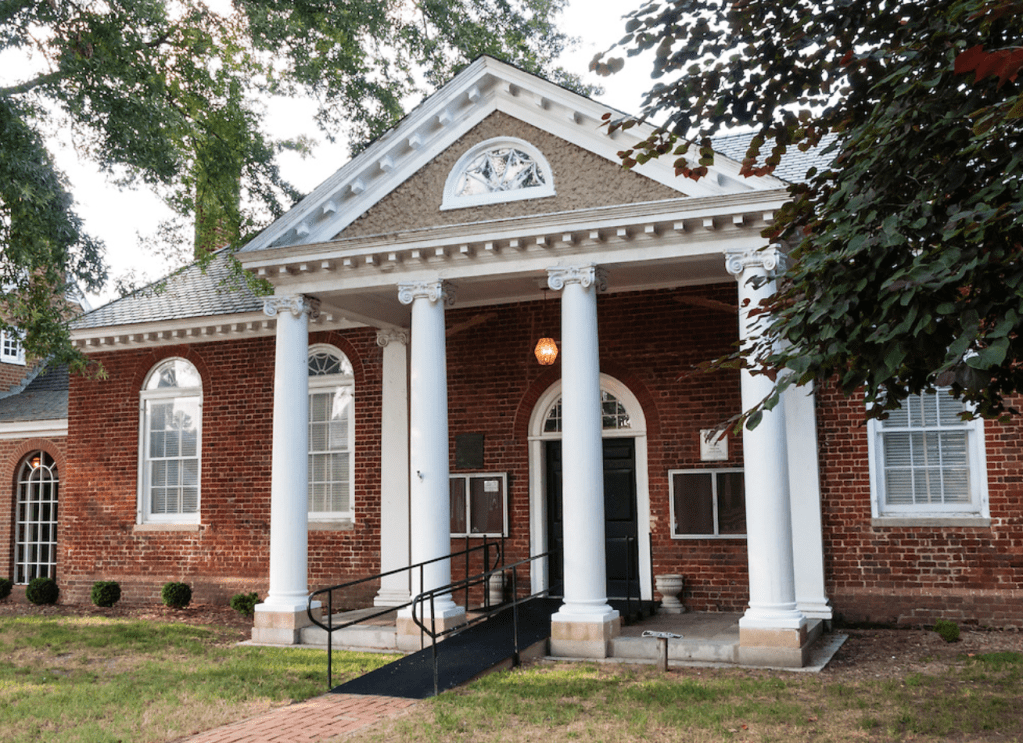
On the corner of South Shore Rd and McGarrigle Rd, will be the Ralston courthouse. It will be the hub of civil and criminal affairs for the entire city. It will be this adequately sized brick building, with large white pillars in front. Inside will be two courtrooms, one for civil trial and another for criminal. The Town will host two judges, which are to be elected every five years. One for the civil division, and another for the criminal division. With the rate of crime high in Ralston, this project will allow the city to handle its own affairs, and to begin cracking down on crime in Ralston. In the long run, the quality of life and Ralston’s appearance to people outside the city will improve. The project will also be near City Hall, and shall create a new government center, where all of Ralston’s affairs can be handled. By keeping them in proximity, it allows people to know that their is an essential heart, to the governing of the city.  This could realistically create a new contact zone right in the heart of Ralston, and allow for everyone in Ralston to interact with each other in a part of town focused on the way Ralston is governed. 

Police office of ward 2 

I propose a  police station for ward 2. As the hub of the city, ward 2 is where majority of the engagement happens and with that that also means an increased likelihood of crime or other altercation between two citizens of Ralston. The ward 2 police station is in place to help locals secure lost or stolen goods and to keep the kind citizens of Ralston safe and happy.  The ward 2 police would be all local citizens and only come from the community of Ralston. The unofficial motto of the ward 2 police would be Libertas per praecepta which translates to “Freedom through rules”. The police force in ward 2 would be there to keep the peace in this wonderful community of ours with a diverse group of officers from multiple backgrounds of our community. The proposed police station in ward 2 would properly hold the people of this fine community to the rules and the formal mechanisms of law made by the government of Ralston. Keeping the peace and protecting the citizens of ward 2 would be the top priority of the ward 2 police. The police of ward 2 would stand as a shield against thoughts who wish to harm or destroy the community of Ralston and its people.

History of the police station ward 2:

The ward 2 police station would be the oldest official police station in Ralston with it originally being the location of the first sheriff’s office. The police office would have been set up this way since the early 1900s after the sheriff’s office had been found to not be enough for the larger community that was being built up.

Ward 2 Local Business: Ralston Bookstore & Cafe

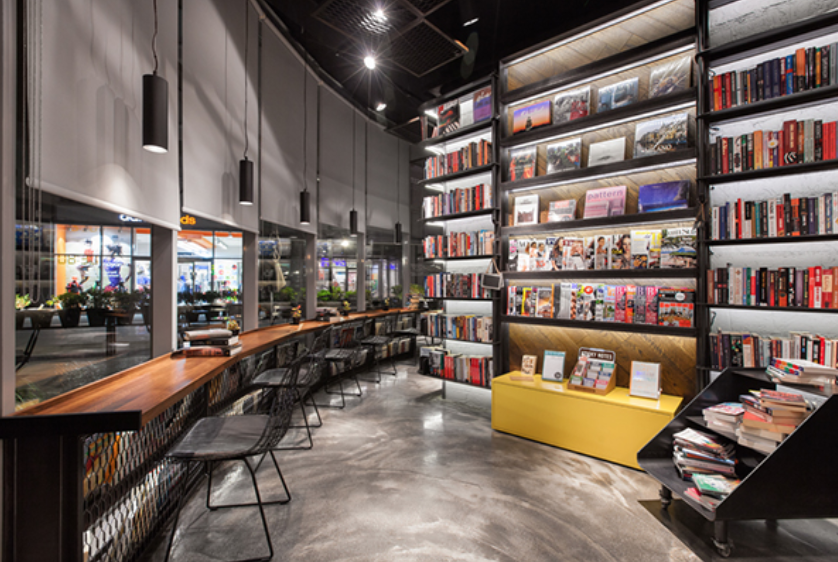
PHOTO SOURCE: https://www.behance.net/gallery/23226903/read-rest-bookstore-cafe-gokturk-istanbul

My proposal to Ralston is a small locally owned bookstore and cafe in Ward 2. Both kids and adults can benefit from having a book store. I believe that this bookstore/cafe would work well in Ward 2 because that is where the central hub of the city is located. Reading books is a pastime or hobby of many people including myself, so I think that this would be a great addition to the city. I think that the best way to buy books is to buy them locally, and that is something that Ralston is missing. The cafe part of the bookstore would be a way for people to relax and read a book with some coffee or other drinks.

The cafe could also be a good place to meet with friends or family. The bookstore & cafe would be a contact zone in the city. I think that placing it near the middle of ward 2 would probably be the best location because it would be near the elementary school. I think that if it was near the elementary school, it could encourage the kids to get into reading. I believe that the bookstore & cafe would fit into Ralston because it fits into the values of the city. The city has mostly small businesses, and I think that the bookstore & cafe would fit right it.

Ward 1 Public Space

Ward 1 currently suffers from a general lack of neighborliness, possibly due in part to the economic diversity between what are essentially the two halves of the ward. The inclusion of a public space of some kind would benefit the ward greatly in bringing the residents together in a meeting space for everyone living there. The challenge in the ward comes in space, as it is relatively tightly packed surrounding the golf course. Therefore, the best solution would be to secure as much land as possible in order to construct a public community center that includes some kind of outdoor space. The most probable location for this community center would be near the country club. This would also serve as an excellent “Welcome to Ralston” look, as the first thing you see as you cross the bridge would be a brand new community center building.

This building would serve greatly in constructing a powerful contact zone in a ward that does not have a great one: a space for people to gather for whatever purpose that they see fit, building a better sense of community and neighborliness. The space outside could also serve as a place for events and gatherings for the ward. It is due to the benefits that a Ward 1 community center and outdoor space would bring that it is worth the intrusion on the seemingly tight usage of land.

There was a previous proposal to create a community center in Ward 1 of Ralston, so if that proposal is completed then it would be highly beneficial to secure extra land outside of the building in order to include an outdoor space surrounding the building. This would give the building a better feeling of home and fitting in next to the golf course rather than just being a building with a parking lot.

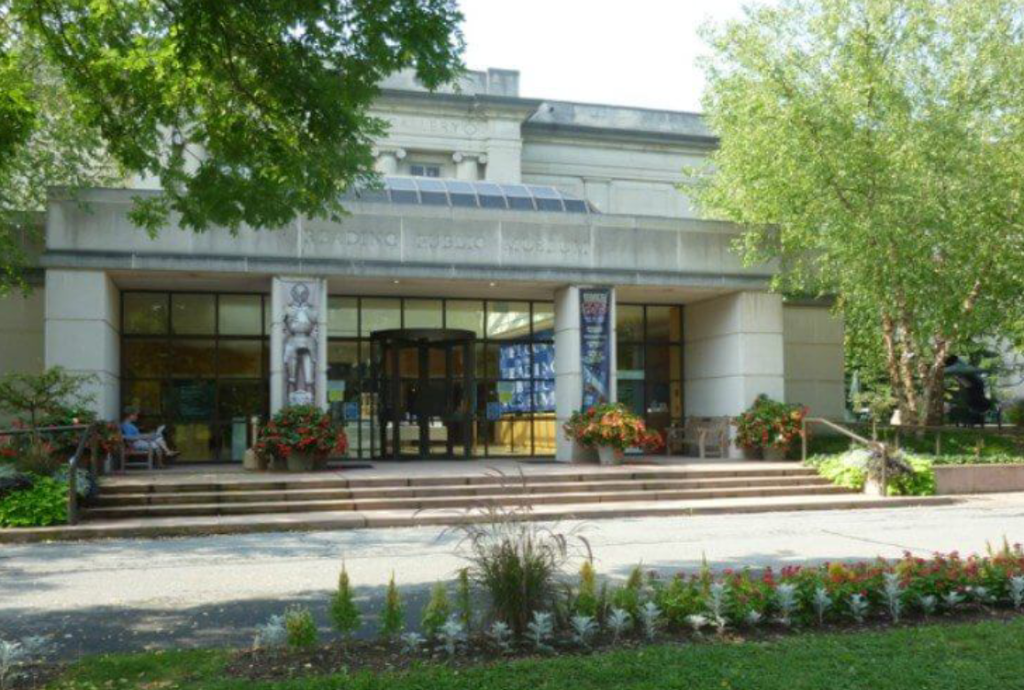
Ralston Public Museum

Ralston has many special attributes that help it stand out from the rest of land-ridden Vermont. It’s hard when major city Burlington has everything people need; not many come looking to Ralston for what’s missing. However, with this new proposal, many in Ralston will find people from all over Vermont flocking to what we can now call one of our crown jewels.

Ralston Public Museum was an idea born by a couple who have been long-time residents of Ralston. Nicola Duffy and her partner, Malcolm McCormick, who were both born and raised here in Ralston, found themselves digging in their backyard one summer day, looking to make their own garden. After breaking through a hard layer of clay, Malcolm found a bone. This bone belonged to Plesiosaur Tatenectes, an underwater dinosaur from the late Jurassic period.
Malcolm, a historian, contacted some of his archeologist friends over at a local college, UVM. A team of archaeologists helped McCormick and Duffy dig up the rest of the fossil. Since Malcolm was friends with the archaeologist, they applied for a permit to keep the bones and use them to create a museum here in Ralston. With the help of his partner, Nicola, they came up with the layout, design, and story for the museum. This public museum would follow the history of Vermont all the way from the Paleozoic era, to the Mesozoic era (when the plesiosaur tatenectes were alive), to the Cenozoic era (now). The museum would walk the visitors through these eras, each exhibit leading into another. The Paleozoic area would take you through the coral reefs that once covered what is now Vermont. With fossils of trilobites, arthropods, stromatoporoids, and of course corals. It’s important to note that much of Vermont’s prehistoric history was underwater until the Cretaceous period, which occurred at the end of the Mesozoic era, that pulled what is now the Green Mountains from the sea. The Mesozoic era, however, will not start with the end, instead, it will start with the Triassic period and the Jurassic period which will contain the newly found fossil of the plesiosaur tatenectes. Going through how these creatures lived with the seascape covering the walls so it feels like you are there too. Then the Cretaceous period will walk you through extinction and the formation of some of Vermont’s landscape. Of course, the Mesozoic era has to end, but this will lead into the Cenozoic era. In this section of the museum, you will be walked through the formation of the physical landscape of what we now know and love to be Vermont. There will then be a large portion dedicated to the history of the Abenaki, the indigenous people of Vermont. In collaboration with the Nulhegan Band of the Coosuk Abenaki Nation, this large section will walk you through how they lived their lives while surrounded by their buildings, community setup, and tools. There will be a part of this section talking about and showing the First Abenaki War and the subsequent migration to what is now Canada, as many were forced out by the French. The section will end with how the Abenaki people are living now in Vermont. The next section will focus on Vermont’s history in the USA and how people live here now. The museum will then lead you to our gift shop, full of fun knick nacks, toys, art, and Vermont maple syrup, which is made here in Ralston!

Ralston Public Museum is planned to go in Ward 1, right next to Route 20 and the Community Garden. Not only will this bring many people from all over Vermont to Ralston, but this museum will also add so much to the community. This museum will add to the heart and soul attributes of our community as it will bring many people closer together and add so much to our schools’ curriculum as the museum is planning on allowing free tours for Ralston’s public schools only! This museum will also bring jobs into our community and revenue into Ward 1, which desperately needs more funding and community spaces. This museum will also be a great contact zone as many will be faced with the history of the Abenaki and what happened to them.

Our goal is to make sure this museum is the furthest thing from white-centered as we want everyone’s voice and stories to be heard. There will also be a bus stop right outside the museum to ensure everyone is able to visit. Admission is $7 for adults and $3 for kids.

Nature Center and Hiking Trails Expansion

To contribute to the community of Ralston, I would propose expanding upon the Nature Center and Hiking trails to include more appeal and activities. This would come in the form of combining multiple other proposals all into one. There were proposals for community gardens, which should be implemented in multiple sections of town, but would be an easy addition to the nature center. The Nature Center can serve as the office space and information center for the nature preserve, with additional services being run around the park. Including areas in the park that could be used for a summer day-camp would create a new contact zone for children, and combine the built environment with the natural environment. This contact zone can assist with childhood development as it encourages children to play and emphasize with one another (Pratt 2005). This could be as simple as building some pavilions near a mowed field with public bathrooms within walking distance. The camp could utilize the hiking trails and work to teach children about local ecosystems and how to help maintain the natural biodiversity. The mowed field would give children a space to run and play active games, whereas the pavilions could be used for meals, free time, and guided activities (crafts, journaling, short lessons, etc.).

An educational building could also be vital for rainy days, younger ages, or days where the heat is too much for children. The building could contain a small kitchen, bathrooms with showers, and an open space that can be utilized for a plethora of activities. It can also serve as storage and contain more natural artifacts like animal skeletons, preserved plants, and educational information that may not be available in the nature center due to supervision issues. It would also be vital with preschool age kids to serve as the daycare when outdoor time is not possible. You could even include public art exhibits within a section of trails to encourage community visitation as well as support local artists and the arts.